
Rescuing the
American Chestnut
Our mission is to return the iconic American chestnut to its native range.
Our vision is a robust eastern forest returned to its splendor.
SAVE THE DATE!
 Join us to exchange ideas, strengthen partnerships, and keep the momentum moving forward at this year’s Symposium! It is shaping up to be a memorable event with something for every chestnut enthusiast. Click here for more info!
NOVEMBER 6-7, 2026 | GREENBELT, MD
What Does USDA's APHIS Action Mean?
USDA APHIS has concluded its regulatory review of Darling 54 American chestnut, determining that the tree is unlikely to pose a greater plant pest risk than conventional American chestnut and is therefore no longer subject to APHIS regulation under its plant-pest authority. This action concludes USDA APHIS’s review; it is not the completion of the federal regulatory process for Darling 54. The OxO trait expressed by Darling 54 remains subject to separate regulatory requirements administered by the US Environmental Protection Agency under the Federal Insecticide, Fungicide, and Rodenticide Act. An EPA Experimental Use Permit application for OxO American chestnut remains under review.
TACF believes decisions about the use of genetically engineered American chestnut in restoration should be based on rigorous science, transparency, and completion of all applicable regulatory reviews.
Latest News
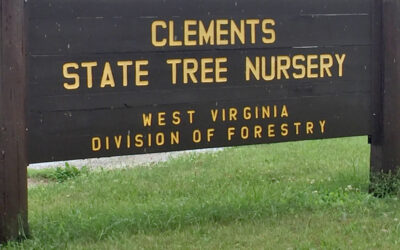
The American Chestnut Trees at Clements Tree Nursery
The American Chestnut Trees at Clements Tree Nursery In September 2026, plans were announced for the development of a 580-acre high-impact data center facility in West Columbia, WV. *Potentially affected by this development sits a 200-tree American chestnut orchard...
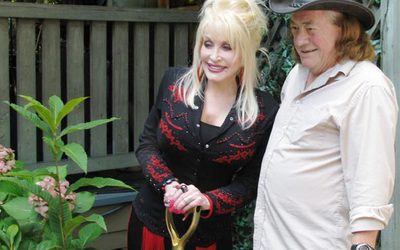
Dolly Parton: A Life Rooted In Giving
By Jules Smith, TACF Director of Communications Dolly on the set of Clear Day Thunder: Rescuing the American Chestnut When an icon like Dolly Parton passes, the news travels fast and hits hard. She was truly larger than life. I seriously doubt there’s a person alive...

American Chestnut Inspires at National Museum of Forest Service History
A Bittersweet Before and After Story—large and historically significant American chestnut trees find a new home at the National Museum of Forest Service History. The story of the widely revered American chestnut stand in Wisconsin is one of hope, stewardship, and...

did you know?
TACF is the steward of the most blight-resistant and most genetically diverse majority-American chestnut population in the world. (Meet the trees!)
This population is the foundation of our advanced RGS breeding program!
Support Our Research
Found a tree?
Learn how to identify American chestnuts and send us a sample for identification.
Support The Restoration
Want a tree?
Learn how to get American chestnut seeds from TACF.
Inspiring!
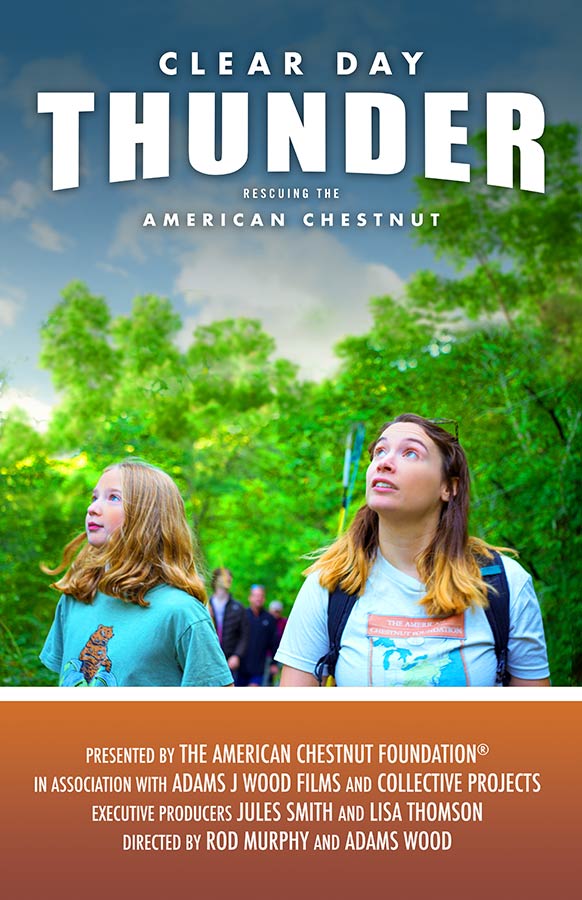
CLEAR DAY THUNDER: Rescuing the American Chestnut is now available! For just $10, you will receive unlimited views and the ability to download and watch on multiple devices.
All proceeds support The American Chestnut Foundation’s mission to return the iconic American chestnut to its native range.
Harnessing the Power of Genomics
The American Chestnut Foundation is using an advanced breeding method called recurrent genomic selection (RGS) to save the American chestnut. Learn more about this exciting technique by watching this introductory video, or take a deep dive into RGS on our breeding page.
Major New TACF Paper Published in Science
A major new paper published this week in Science marks a turning point in how endangered species can be restored.
“For decades, conservation genetics focused on preserving what remained,” said Dr. Jared Westbrook, lead author of the study and TACF’s Director of Science. “Genomic tools now allow us to actively design restoration programs that improve with each generation. That shift changes what is possible. We can move from static preservation toward dynamic recovery.”
Download a PDF of Genomic approaches to accelerate American chestnut restoration (Westbrook et al., 2026)

Upcoming Events
Please join us on Saturday in Chattanooga, TN for a chestnut shucking party, a fun day processing this year's harvest of backcross American chestnut seeds! In order to harvest seeds […]
SUNDAY OCT. 18, 2026 • 1 - 6 PM MILKHOUSE BREWERY 8253 DOLLYHYDE RD MT. AIRY, MD 21771 Join us for the 2nd Maryland American Chestnut Festival! Discover the remarkable […]