
Why Restore the American Chestnut?
Top 10 Reasons to Restore the American Chestnut
In the early 1900s, the American chestnut was devastated by two introduced diseases: chestnut blight and Phytophthora root rot (learn more about the history). Since 1983, The American Chestnut Foundation has been working to restore this iconic tree to its native range across the eastern forests.
For generations, the American chestnut sustained both human and wildlife communities. Now, it’s our turn to give back to the tree that gave so much. Please join us in rescuing the American chestnut!
1. Healthy Forests
Restoring the American chestnut will improve our forests and increase biodiversity.

2. Restoring an American Legacy
Referred to as the “cradle-to-grave” tree for its variety of uses, it was an important food source and cash crop for the people of Appalachia.

3. Superior Food for Wildlife
A single American chestnut tree produces abundant and highly nutritious food for wildlife year after year.

4. Reclamation
Its fast growth and tolerance of rocky, acidic, and poor soils makes it perfect for returning degraded landscapes, such as those left by surface mining, to diverse and healthy forests.

5. Road Map for the Future
American chestnut research creates a template for restoration of other species across the world.
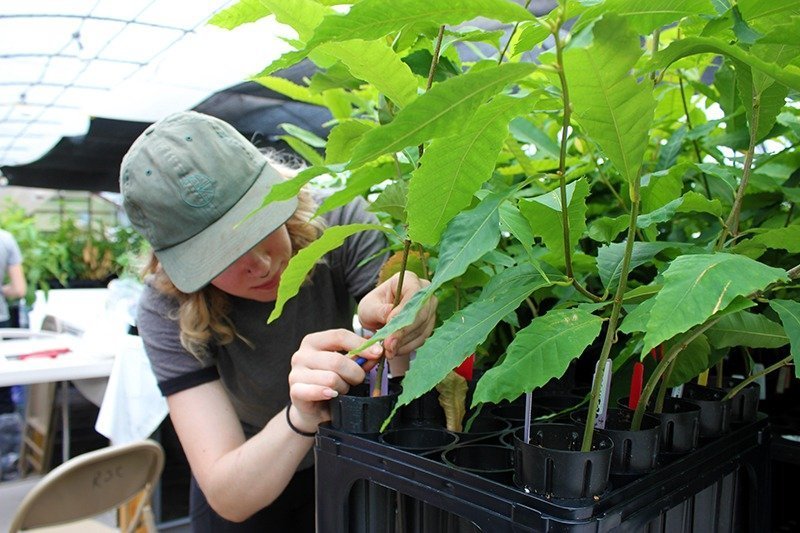
6. Outstanding Timber
The lumber is straight, strong, and rot-resistant.

7. Crafting
A light, durable wood with lovely color and attractive grain appreciated for furniture and architectural elements.

8. Cuisine
The nut is smaller and sweeter than other chestnuts. It is often preferred for cooking and roasting because of its superior flavor.

9. Landscaping
The American chestnut spreads its branches wide as a shade tree and produces large, white flowers before its abundant fruit production.
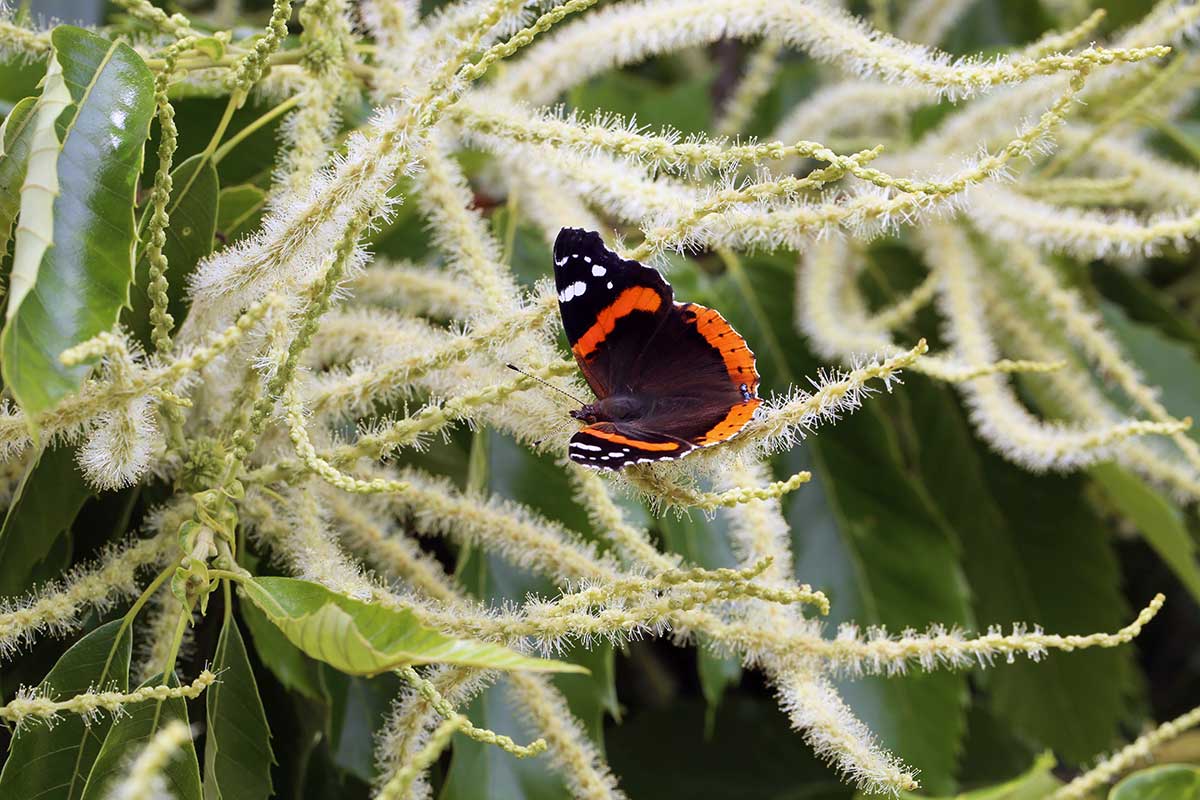
10. Conservation
Restoring the American chestnut would be a conservation milestone of historic scale, helping to reverse one of the most devastating ecological losses of the 20th century.
Historical Importance of the American Chestnut
The American chestnut tree was an essential component of the eastern North American ecosystem. A late-flowering, reliable, and productive tree, unaffected by seasonal frosts, it was the single most important food source for a wide variety of wildlife, from bears to insects. For thousands of years, the nuts provided an abundant food source for Indigenous Peoples, who responded in kind by managing the landscape to improve habitat for chestnuts. Rural communities depended upon the annual nut harvest as a cash crop and to feed livestock. The chestnut lumber industry was a major sector of rural economies. Chestnut wood is straight-grained and easily worked, lightweight and highly rot-resistant, making it ideal for fence posts, railroad ties, barn beams, and home construction, as well as for fine furniture and musical instruments.
For further reading on the importance of the American chestnut, read Historical Significance of American Chestnut to Appalachian Culture and Ecology by Donald E. Davis, Social Sciences Division, Dalton State College.