West Virginia News

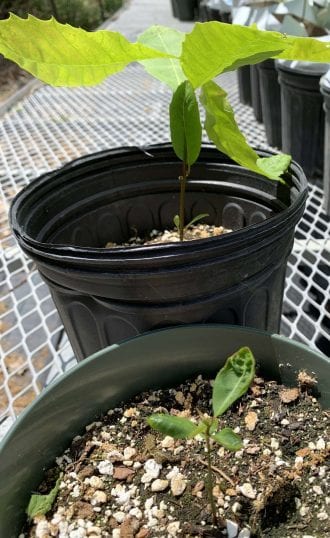
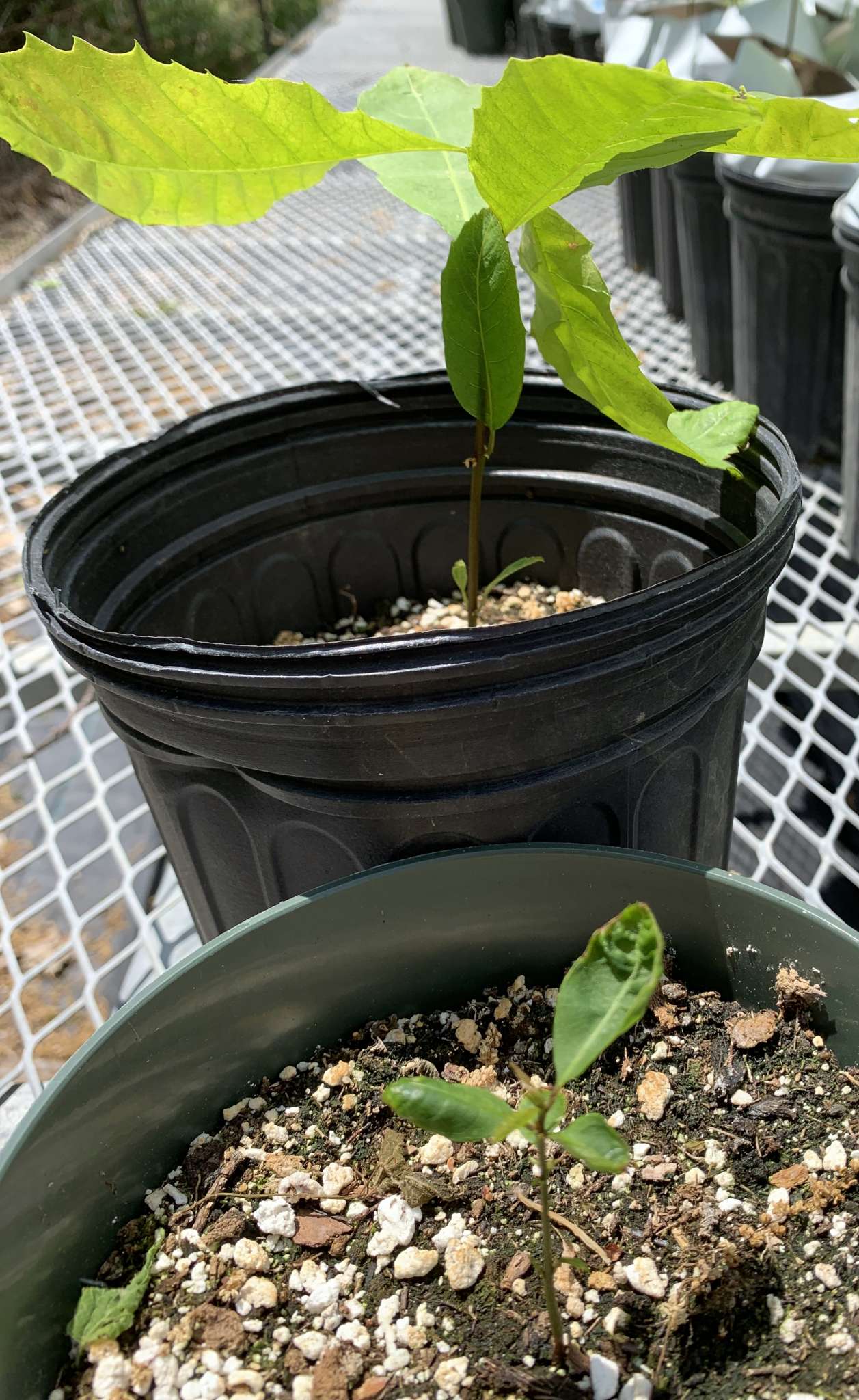
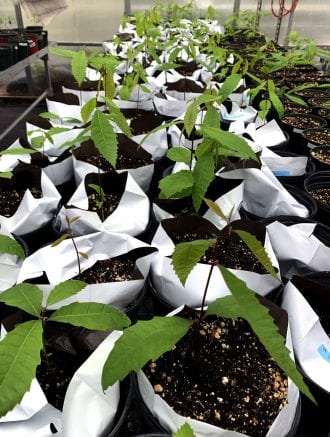
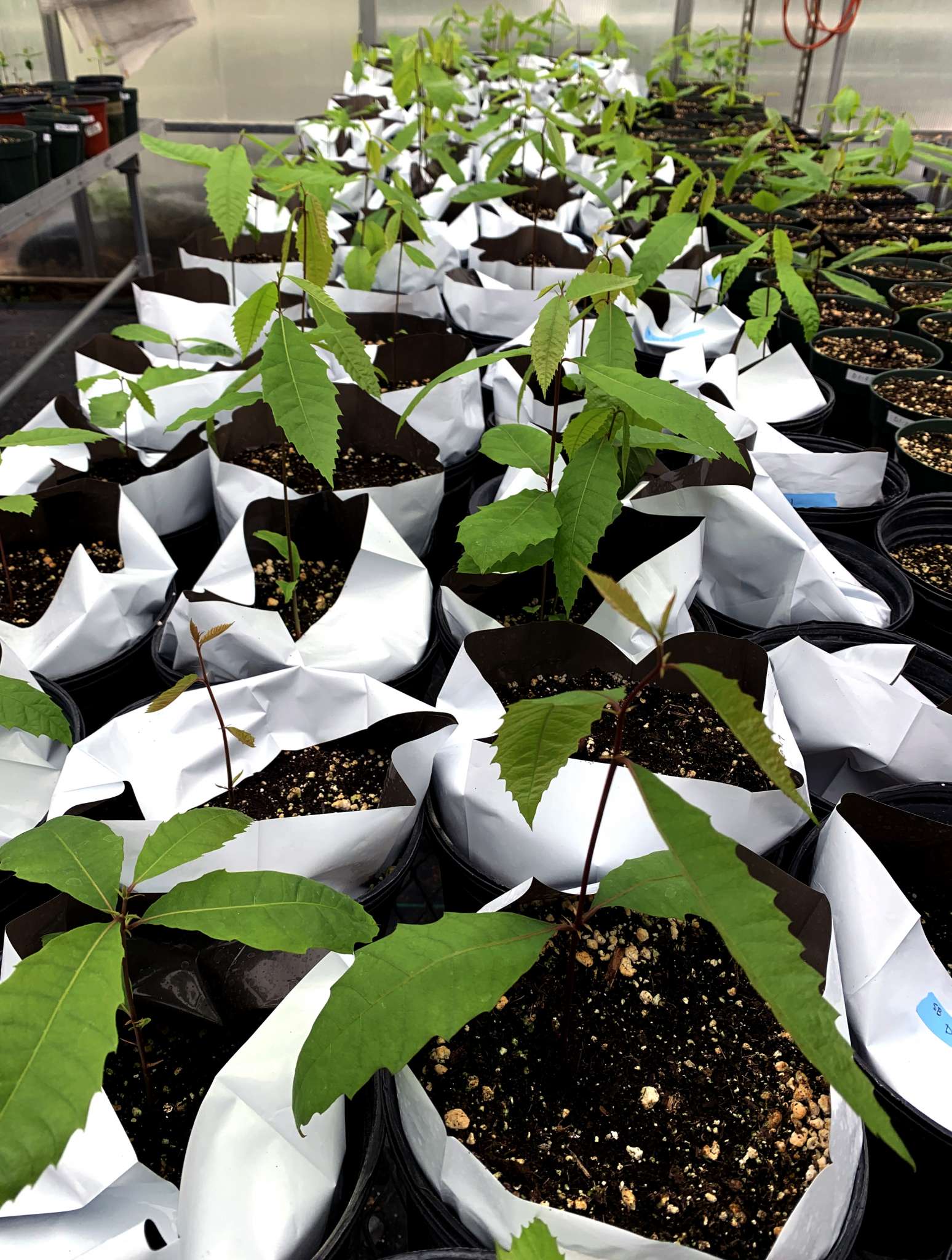
Chestnut seedlings in the West Virginia University greenhouse

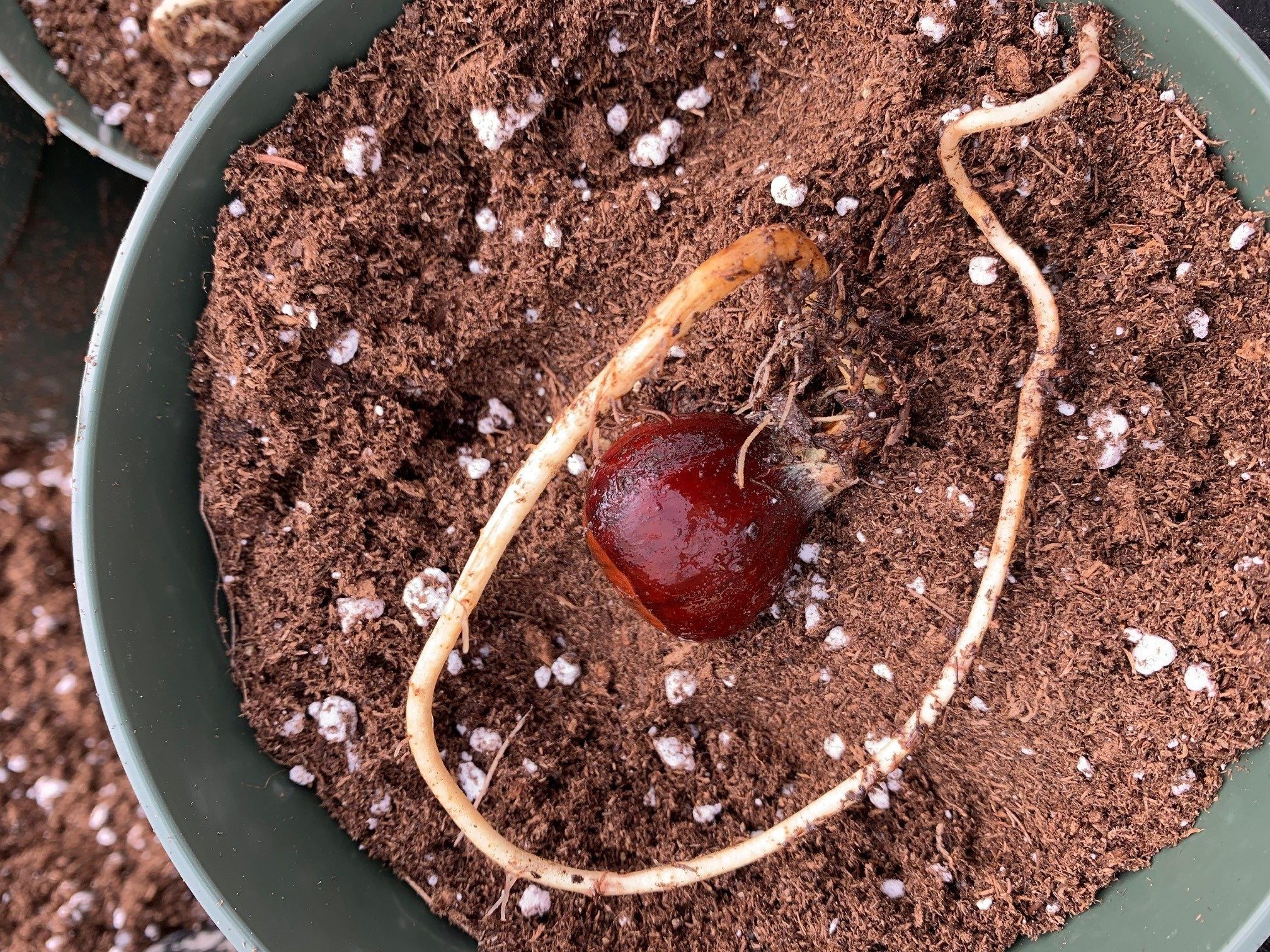
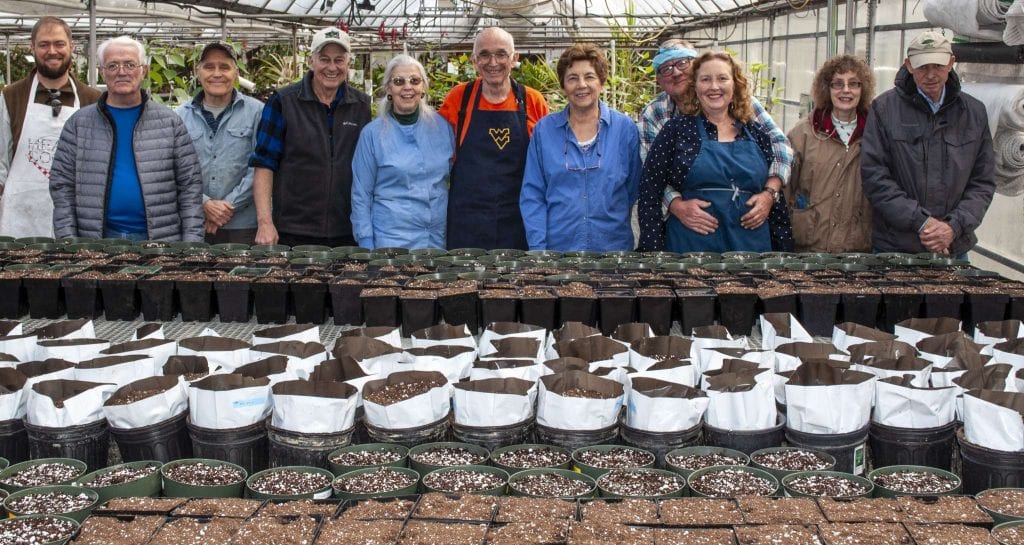
In mid-March, about a dozen individuals gathered at the West Virginia University greenhouse to pot 350 germinating nuts provided by the TACF’s Meadowview staff.  The nuts were in perfect shape, packaged neatly in small plastic bags.  The nuts were potted in standard 6″ pots with Pro-Mix potting soil containing mycorrhizae.  After 3 weeks, sprouts began to appear and it was obvious that about 80 of the 350 nuts failed to produce a shoot.  Whether the failure to produce a shoot was due, in part, to the 80% peat content of the potting mix (providing too much moisture) or the genetics of the nuts is unknown.  Two months following potting, most seedlings produced a nice, healthy shoot.  However, there were a number of nuts that produced only a tooth-pick size shoots.


West Virginia News Chapter Menu

National Facebook

Comments Box SVG iconsUsed for the like, share, comment, and reaction icons

Before January comes to a close, here are our 2026 Ins and Outs. Tell us yours in the comments!

#americanchestnut #explorepages #restoration #conservation #forestry
... See MoreSee Less

Before January comes to a close, here are our 2026 Ins and Outs. Tell us yours in the comments! #americanchestnut #explorepages #restoration #conservation #forestryImage attachmentImage attachment+8Image attachment

1 CommentComment on Facebook

This is pretty funny!

Before January comes to a close, here are our 2026 Ins and Outs. Tell us yours in the comments!

#americanchestnut #insandouts2026 #chestnut #explorepage #restoration #conservation #forestry
... See MoreSee Less

Before January comes to a close, here are our 2026 Ins and Outs. Tell us yours in the comments! #americanchestnut #insandouts2026 #chestnut #explorepage #restoration #conservation #forestryImage attachmentImage attachment+8Image attachment

Last week, all TACF staff rolled up their sleeves for a phenotyping faceoff at Meadowview! Team members were randomly assigned one of three different phenotyping protocols, all applied to the same set of trees, to help us evaluate which approach works best in the field. Phenotyping is a critical part of our breeding and restoration work, especially when it comes to evaluating blight severity. By carefully documenting traits like sporulation, canker severity, and overall tree health, we can better understand how each tree is responding to the disease. This information feeds directly into our Recurrent Genomic Selection (RGS) model, helping guide breeding decisions and accelerate progress toward a blight resistant American chestnut.

#americanchestnut #restorationinprogress #chestnutresearch #forestrestoration #meadowviewresearchfarms #castanetum #scienceinthefield
... See MoreSee Less

Support us AND get some merch!? Sounds like a win-win to me. Some of our more popular items are limited in supply and size, so order soon!

Shop here: support.tacf.org/shop

#americanchestnut #restoration #conservation #shop #merch #nonprofit #support
... See MoreSee Less

Some say the American chestnut is the only ‘Ten I see.' We say the Chapter Meeting is a close second—RSVP now via the listed website or QR code.

RSVP here: TINYURL.COM/YBVMP5TN

#americanchestnut #Tennessee #TN #cookeville #chestnuts #meeting #event #getinvolved #restoration #conservation #nature #forestry
... See MoreSee Less

Some say the American chestnut is the only ‘Ten I see. We say the Chapter Meeting is a close second—RSVP now via the listed website or QR code. RSVP here: HTTPS://TINYURL.COM/YBVMP5TN #americanchestnut #Tennessee #TN #cookeville #chestnuts #meeting #event #getinvolved #restoration #conservation #nature #forestry
Load more