Carolinas News

American Chestnut Day At The North Carolina Arboretum, Asheville, NC, October 4, 2025

The American Chestnut Foundation and the North Carolina/South Carolina TACF Chapter hosted this special event for the public at the NC Arboretum in October.

Many thanks to our sponsor, Warren Wilson College! 

Thanks also to the North Carolina Arboretum for allowing us to have this event in their lovely facility.
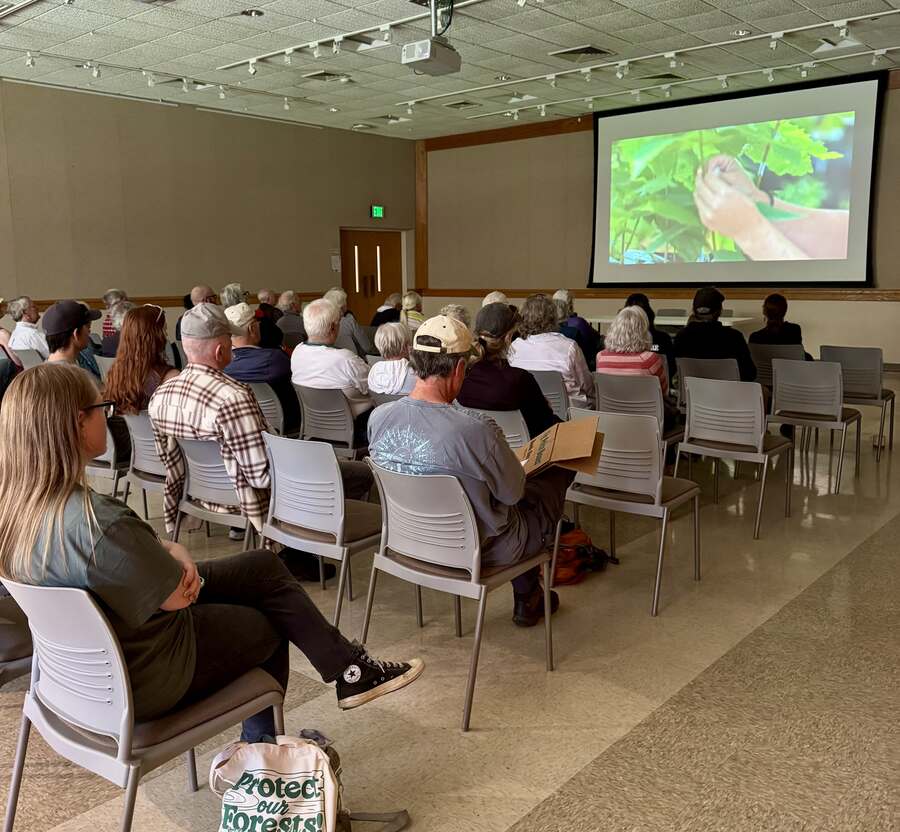
Documentary showing of "Clear Day Thunder: Rescuing the American Chestnut"

Documentary showing of “Clear Day Thunder: Rescuing the American Chestnut”
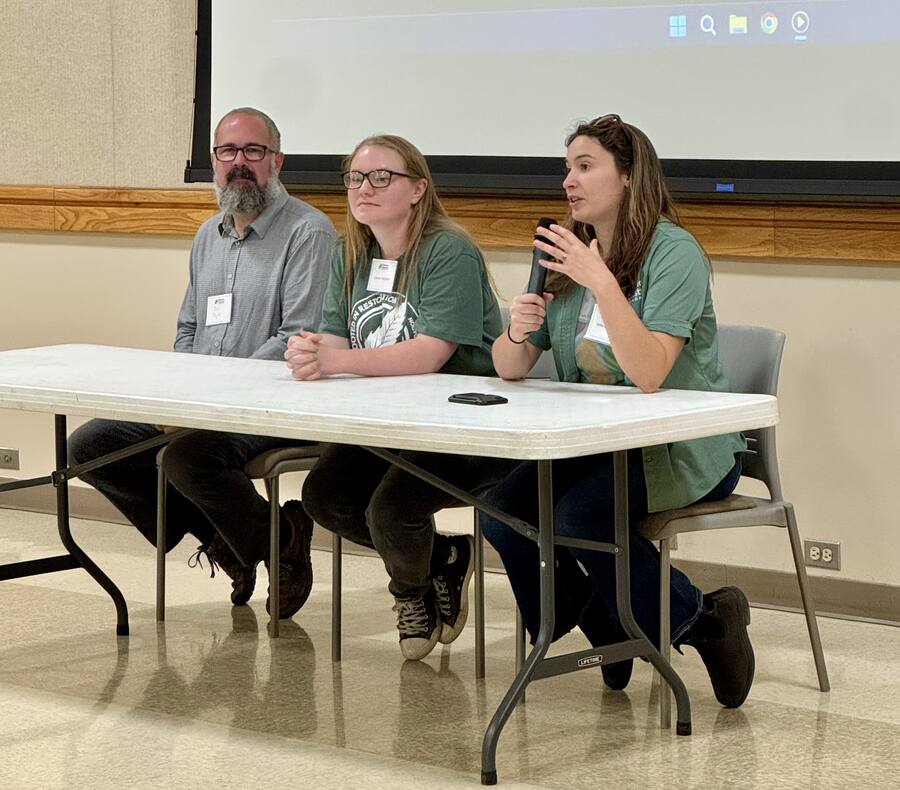
 

Question and Answer session following the documentary. by Jon Taylor, Lucinda Wigfield, and Jamie Van Clief.

Question and answer session following the documentary. by Jon Taylor, Lucinda Wigfield, and Jamie Van Clief.


Speakers included:

Nickole Brown, EcoPoet, Fellow of the Black Earth Institute and President of the Hellbenders Gathering of Poets, “On the Poetry of Trees”

Dr. Eric Griffin, Warren Wilson College, “Patterns and Processes in Forest Biomes: Field and Restoration Work”

Mike Archer, Western Carolina University, “Building Backyard Forest Communities. Invasives, Fire Mitigation, Habitat Enhancement and Forest Structure of Homeowners”

Todd Boera, founder of Fonta Flora Brewery, “Brewing Chestnut Beer”
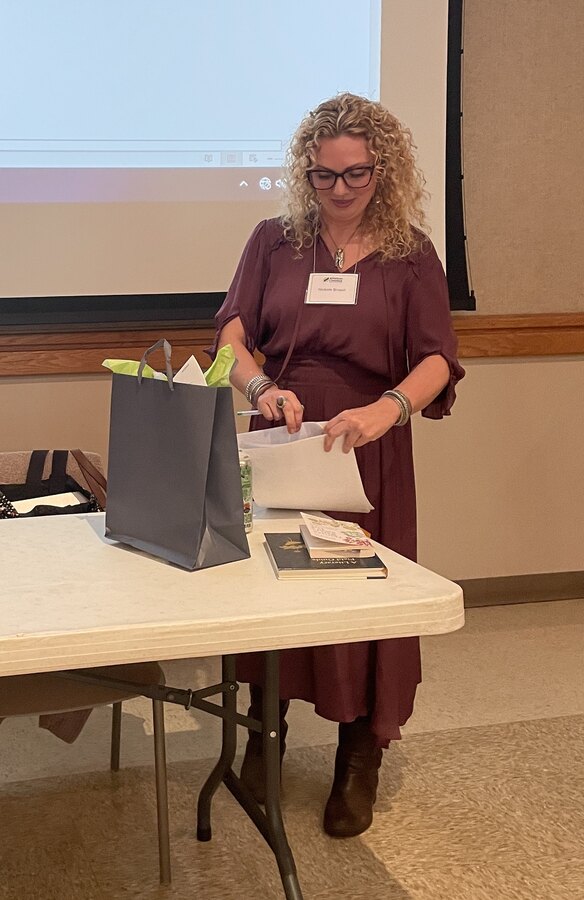
Nickole Brown, poet
Nickole Brown, poet


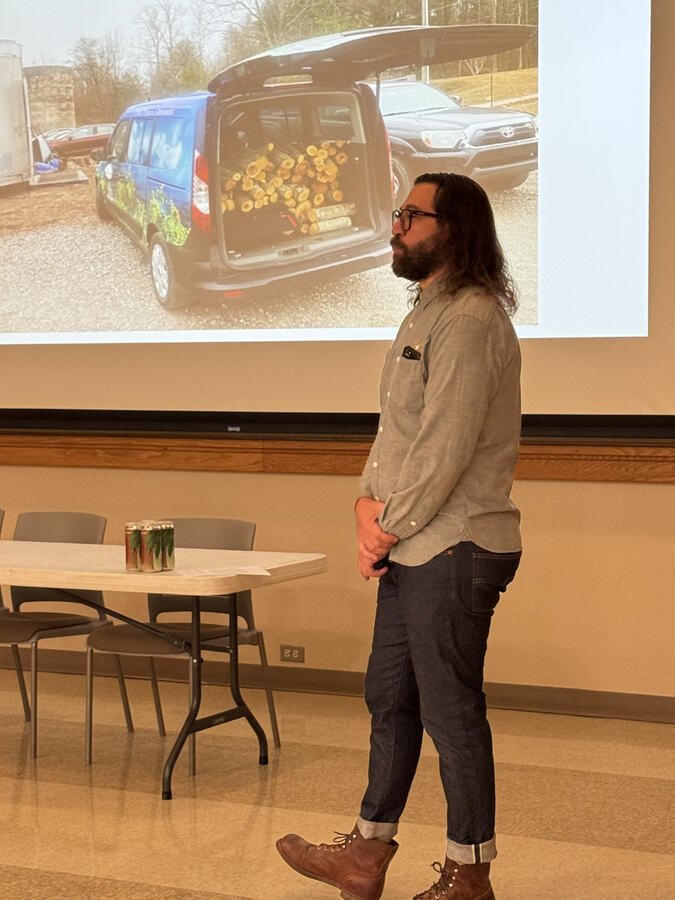
Todd Boera, Fonta Flora Brewery founder

Todd Boera, Fonta Flora Brewery founder

Student Poster Presentations
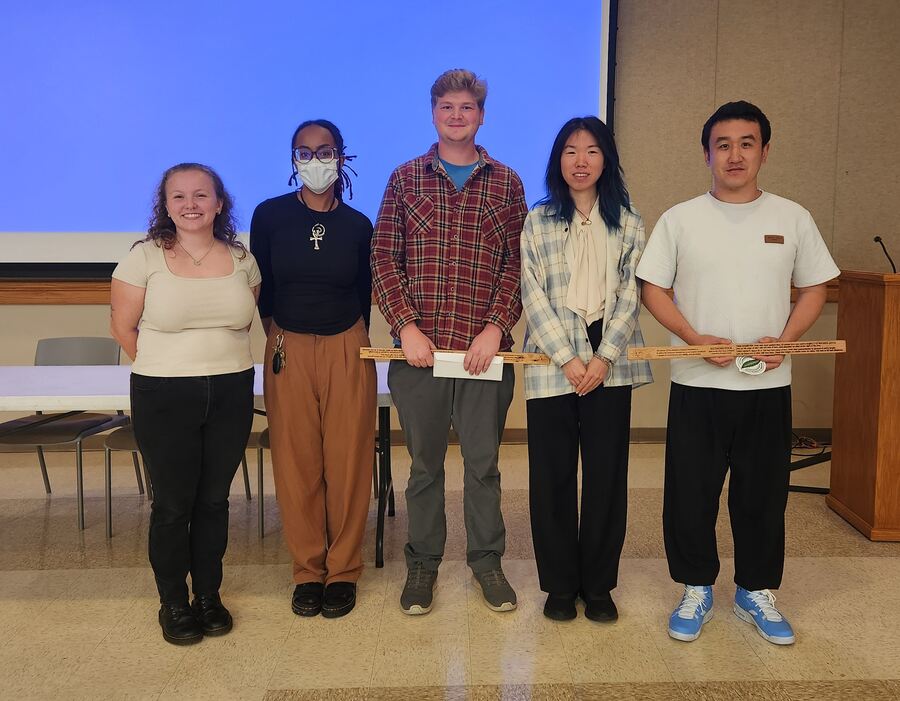
Student Poster Presentations by:Mick Williams (University of North Carolina Asheville) Olivia Wilson (University of North Carolina Asheville) Zach Anderson (University of Tennessee at Chattanooga) Sky Lu (Clemson University) Roger Zhang (Clemson University)

Student Poster Presentations by:
Mick Williams (University of North Carolina Asheville)
Olivia Wilson (University of North Carolina Asheville)
Zach Anderson (University of Tennessee at Chattanooga)
Sky Lu (Clemson University)
Roger Zhang (Clemson University)
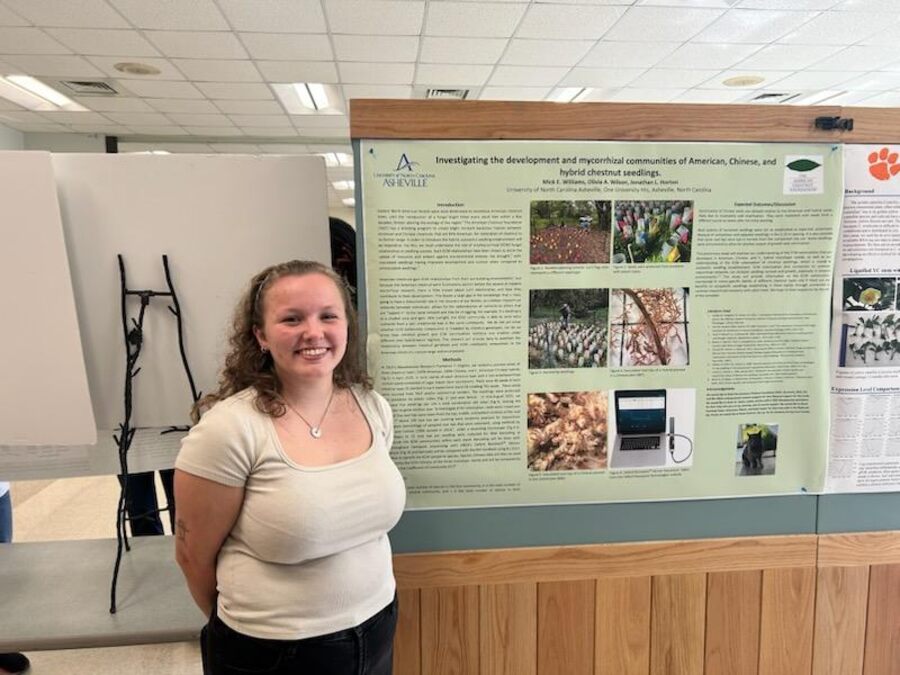
 

Mick Williams by her poster. Second place for her presentation.
Mick Williams by her poster. Second place for her presentation.


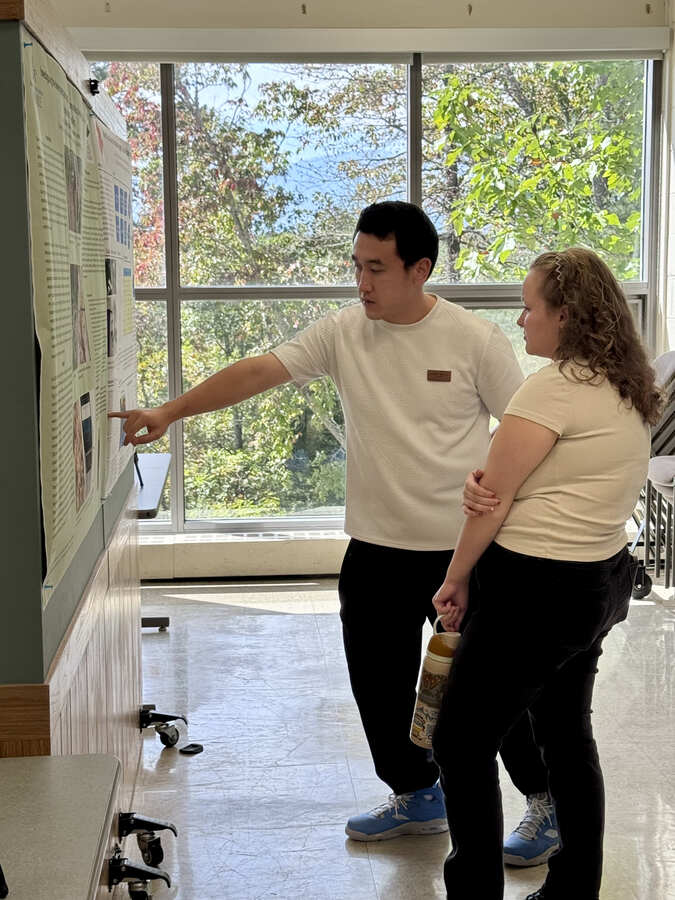
Roger Zhang describing his poster to Mick Williams.
Roger Zhang describing his poster to Mick Williams.


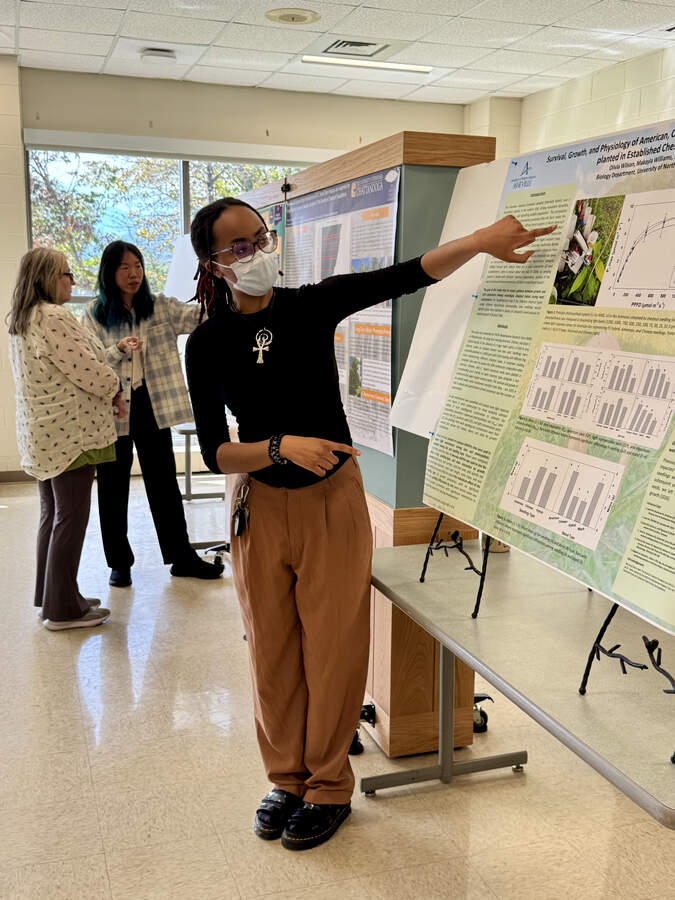
Olivia Wilson presenting her poster. Sky Lu, behind, presenting her poster.

Olivia Wilson presenting her poster. Sky Lu, behind, presenting her poster.

The poster presentations were quite professional. Nice job to all! First Place. Sky Lu, Second Place, Mick Williams, and Third Place, Zach Anderson.
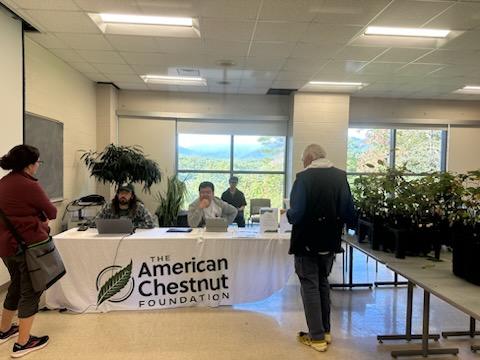
 

Wild American chestnut seedlings for sale.
Wild American chestnut seedlings for sale.


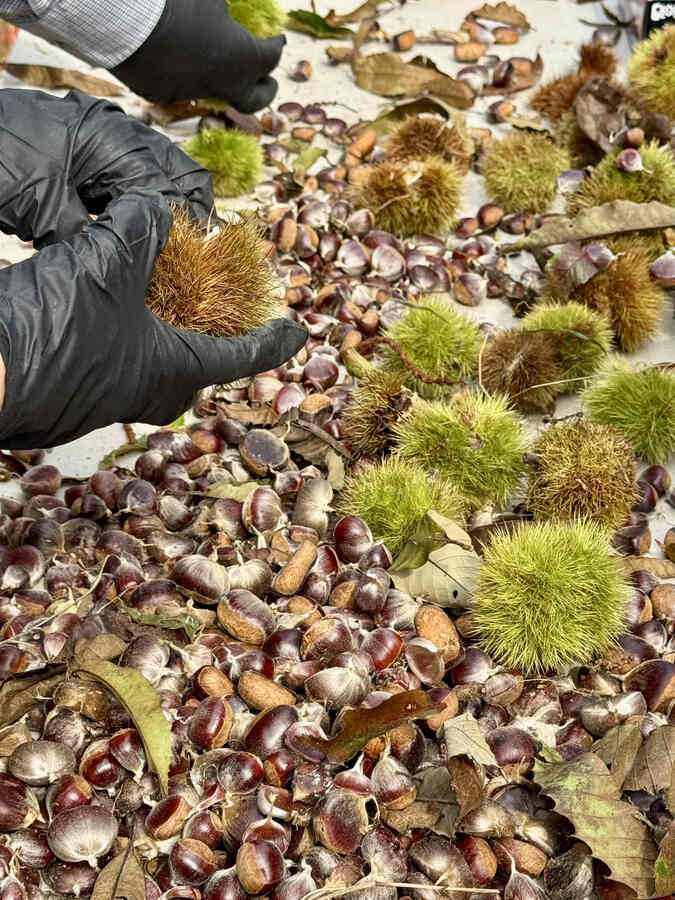
Hands-on demonstration of shucking chestnuts from burs.
Hands-on demonstration of shucking chestnuts from burs.


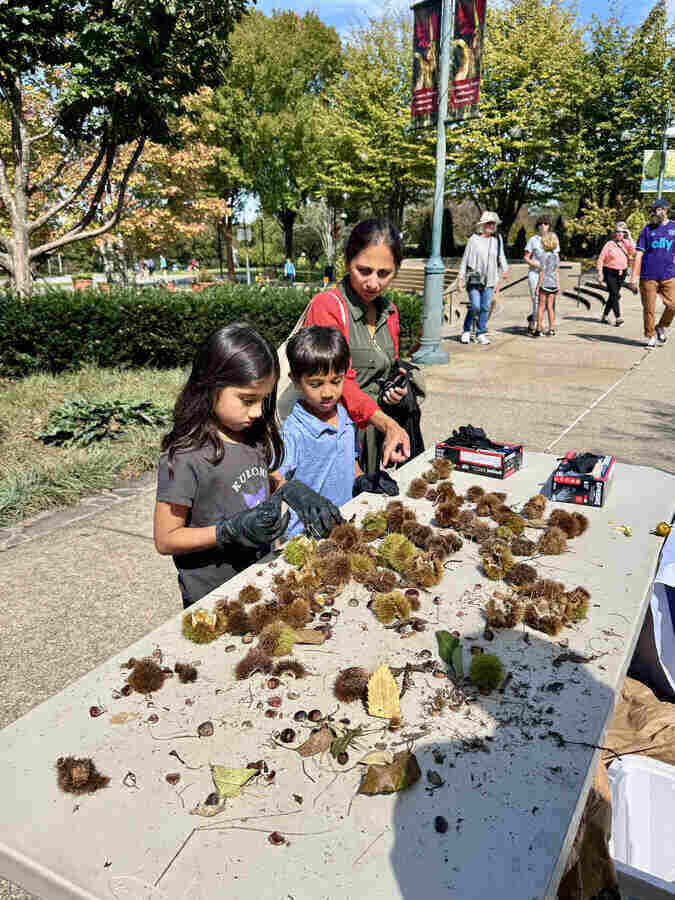
Visitors getting experience shucking chestnuts out of spiny burs, with double gloves.

Visitors getting experience shucking chestnuts out of spiny burs, with double gloves.


We want to thank the following organizations that joined us for this event. Great information from each to inform the public about the impact their work does in Western North Carolina.

Tabling Exhibits by: EcoForesters, GreenWorks, Hemlock Restoration Initiative, Riverlink, and Warren Wilson College.
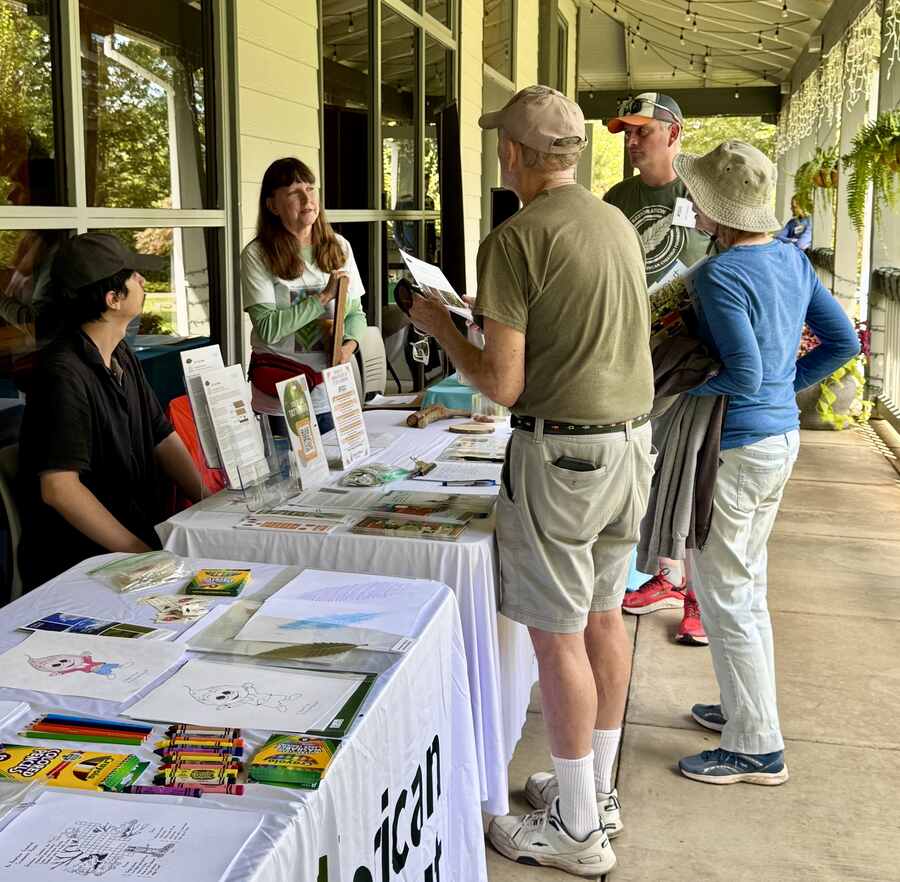
 

TACF table with American chestnut information. Children's activities on front table.

TACF table with American chestnut information. Children’s activities on the front table.
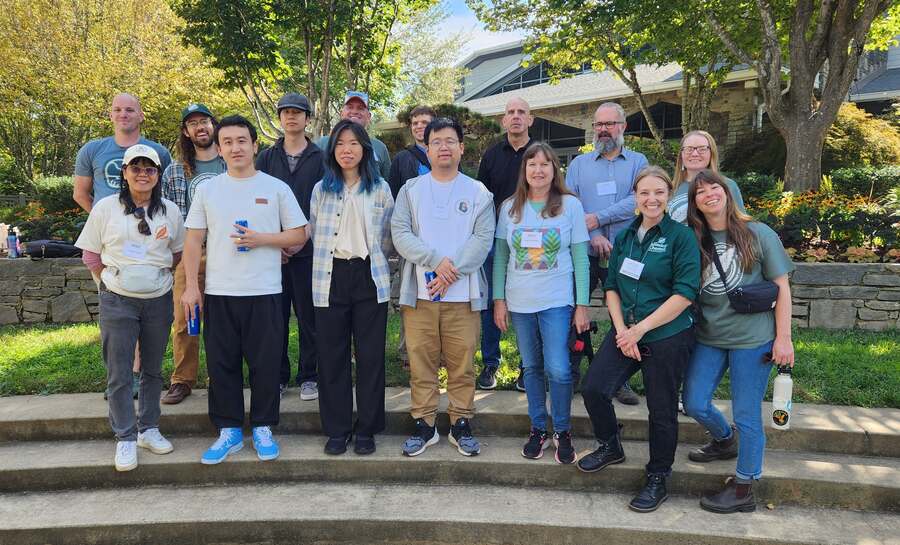
 

The TACF Staff and volunteers that made this event happen!

The TACF Staff and volunteers that made this event happen!

Carolinas News Chapter Menu

National Facebook

Comments Box SVG iconsUsed for the like, share, comment, and reaction icons

A bee enjoying a well deserved break after the chestnut pollination period. The tree it rests on is a hybrid castanea pumila x alabamensis (dwarf chestnut x Alabama chinquapin). ... See MoreSee Less

A bee enjoying a well deserved break after the chestnut pollination period. The tree it rests on is a hybrid castanea pumila x alabamensis (dwarf chestnut x Alabama chinquapin).Image attachmentImage attachment

1 CommentComment on Facebook

Voles got my chestnut, planted spring 2025

August Events! Double check with your states Chapter about events in your area.

Visit the following link for more information on the events: tacf.org/events/category/tacf/

#americanchestnut #Connecticut #NorthCarolina #SouthCarolina #getinvolved
... See MoreSee Less

August Events! Double check with your states Chapter about events in your area. Visit the following link for more information on the events: https://tacf.org/events/category/tacf/ #americanchestnut #Connecticut #NorthCarolina #SouthCarolina #getinvolvedImage attachmentImage attachment

In a recent article for The Conversation, Dr. Steve Strauss discusses how advances in genomics and biotechnology are creating new opportunities to support chestnut restoration.

We're pleased to see perspectives from a longtime TACF collaborator. Steve served on our Science Advisory Review Committee in 2018 and currently has a pending proposal with TACF to improve genetic transformation methods for chestnut.

Give the article a read and let us know what part of chestnut restoration you're most excited about: theconversation.com/new-genetic-approaches-raise-hopes-for-restoring-the-american-chestnut-to-its...
... See MoreSee Less

In a recent article for The Conversation, Dr. Steve Strauss discusses how advances in genomics and biotechnology are creating new opportunities to support chestnut restoration.Were pleased to see perspectives from a longtime TACF collaborator. Steve served on our Science Advisory Review Committee in 2018 and currently has a pending proposal with TACF to improve genetic transformation methods for chestnut.Give the article a read and let us know what part of chestnut restoration youre most excited about: https://theconversation.com/new-genetic-approaches-raise-hopes-for-restoring-the-american-chestnut-to-its-former-glory-282125

28 CommentsComment on Facebook

Somewhere, waiting discovery deep inside the remote part of a forest towers a thriving blight resistant nut filled American Chestnut (surrounded by dead ones just so we know it was exposed and surviving). We can hope. Taking inspiration from the Dogwood saga.

Professors at S.U.N.Y E.S.F put a wheat gene in to Chestnuts years ago and have growing them

I thought the blight only killed the tree above the ground and not the root system that's why the chestnut resprouts and grows until it gets a scar on it and the blight kills the sprouted tree back down to the ground leaving more viable root system to sprout again in the future.

View more comments

Unlike most forest trees that rely mostly on wind, American chestnuts recruit insects too.

#americanchestnut #environmentaleducation #pollinator #nativetrees #dronefootage
... See MoreSee Less

1 CommentComment on Facebook

Okay, who was in our Monocacy Orchard. MDTACF.

Did you know some plants actually benefit from fire? Recently burned areas often provide the sunlight and reduced competition that species like blueberries and American chestnuts need to flourish.

#americanchestnut #nativeplants #ForestEcology #conservation #NatureEducation
... See MoreSee Less

4 CommentsComment on Facebook

Yes! Across the Eastern US, almost all of our most important keystone , overstory trees are fire adapted (pyrophytic 🔥). (Except in bottomlands/riparian/wetland zones, for the most part). This includes Hickories, the upland Oaks, certain pines, especially Longleaf, and Chestnuts. Many Oaks in particular are struggling with recruitment now due to fire suppression, among many other issues. This process is called mesophycation btw. Mesophytic natives like Maples 're-engineer' forests through their dense, moist leaf litter to retard-fires. Invasives make it worse. This is important because Oaks are THE top keystone plants here, hosting more species of Lepidoptera (Moths and Butterflies) than any other plant genus in the US: 500-900 species. Most of these caterpillars will become inconspicuous "little brown moths" , but they form an important massive bottom-tier of the food pyramid. After all, even though birds can source berries from a variety of plants , it takes 6-9000 caterpillars to raise a single clutch of songbirds.

I really appreciate what you are doing.

Thank you!

Load more