

Connecticut News
Report of the Nominating Committee
CT-TACF Nominating Committee members John Baker (Chair), Woods Sinclair and Bill Adamsen are recommending the following slate of candidates for Board membership and for Chapter Officers: Nominees for Board membership Under the revised bylaws, as many as 10 Board...
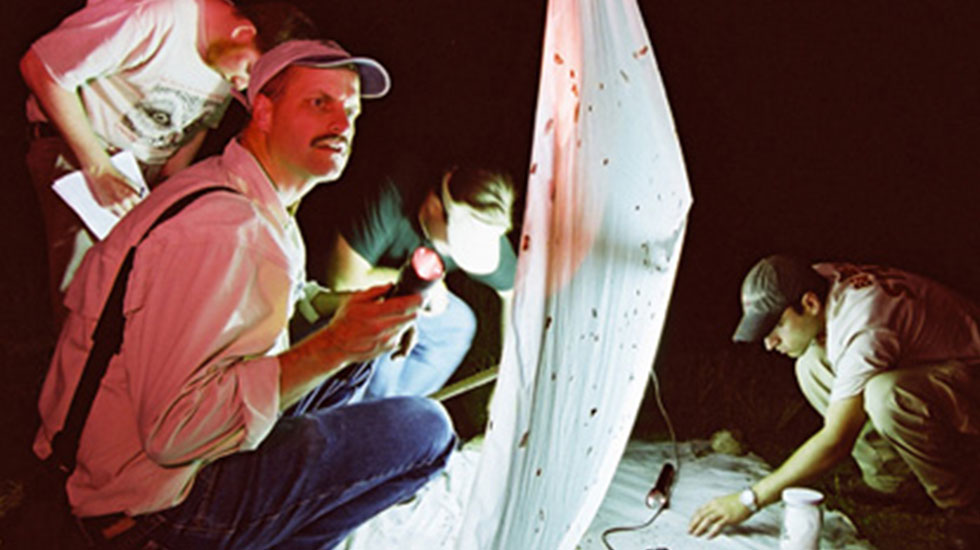
CT Chapter 2015 Annual Meeting
Dr. Wagner, one of the world's foremost experts on Lepidoptera, will be talking about The Ecological Meltdown of American Chestnut: A Glimpse at the Little Ones that Got Left Behind and What Still Might Be. Dr. Wagner is Professor of Ecology and Evolutionary Biology...
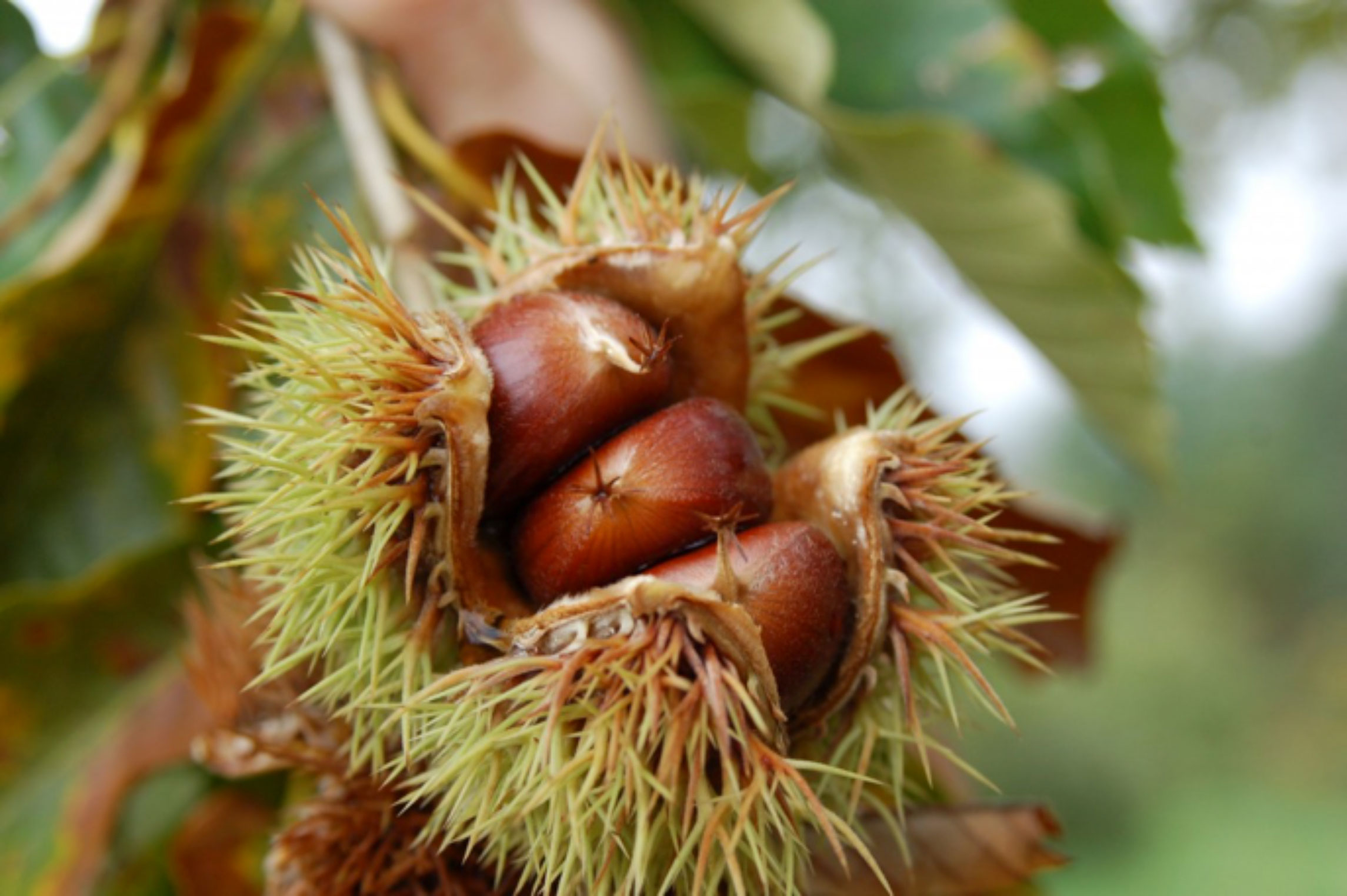
Feast on Art
American Chestnut: Lecture and Educational Tasting CANCELED DUETO INCLEMENT WEATHER (to be be rescheduled for later this spring.) With Steve Conaway of The American Chestnut Foundation, and a Culinary Demonstration and Tasting with Chef Silvia Baldini and Heirloom and...
Lawrence Lloyd Inman
Lawrence Inman, PhD Dr. Lawrence Lloyd Inman passed away in September of last year in Phoenix, Arizona at the age of 94. Dr. Inman is well remembered amoung members and staff of the American Chestnut Foundation. In the early 1980's, Dr. Charles Burnham, under whom...
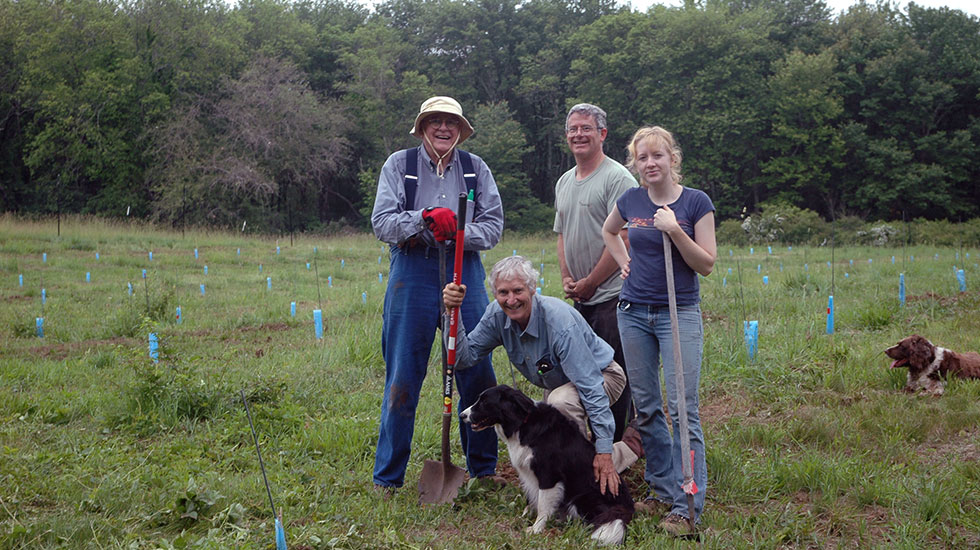
Siting Seed Orchards
We need new locations for seed-orchards, and we're looking for partners. Seed orchards are the next major phase of the breeding program and we are actively pursuing locations that could support the seed orchards. A seed orchard is the required next step in producing...
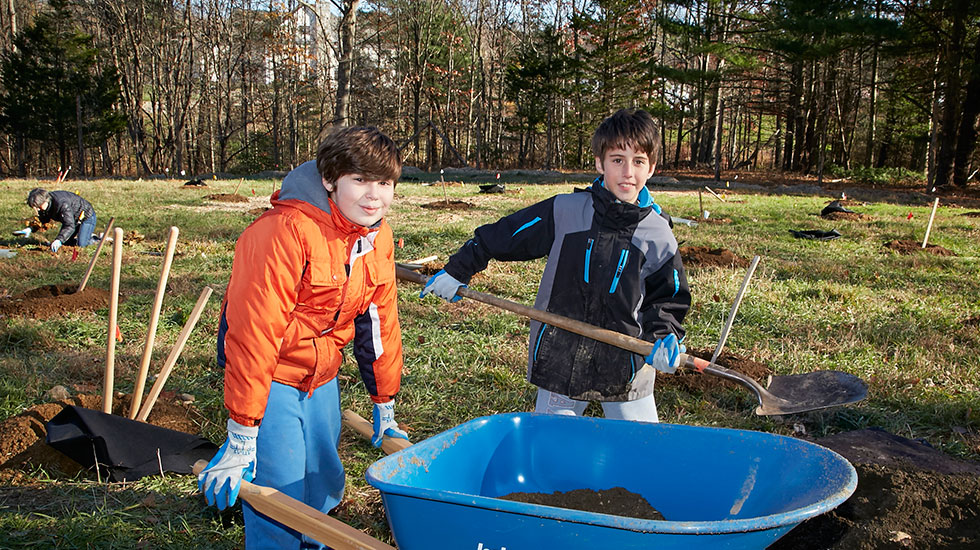
American Chestnut seedlings at The Greenwich Land Trust
GREENWICH, CT – On Saturday, November 15th, 75 volunteers planted nearly 400 American Chestnut seedlings at The Greenwich Land Trust’s American Chestnut Sanctuary. The Greenwich Land Trust (GLT) partnered with The American Chestnut Foundation and the Greenwich Tree...
Connecticut Chapter Menu
National Facebook

If you’ve ever wondered why we keep planting wild‑type American chestnuts, even though they eventually succumb to blight, this is why.
Any other questions we can answer? Drop them in the comments!
#reels #explorepage #americanchestnut #ecology #nature
9 CommentsComment on Facebook
Maybe one will mutate and not get the blight .
I had a co-worker who was experimenting with this 20 or 30 years ago. He dug up the soil from the base of the tree and made a poultice. At the time, I didn't know a Chestnut from a ham sandwich. Now I have a dozen of my own stump sprouts and am planting four of their genetically selected trees this year.
The Canadian chestnut council initiated the blight resistance breeding program and planted out these trees in 2020. We fortunately have collected seeds and propagation of these seedlings are available at the Little Otter Tree Farm Tillsonburg Ont
Rogueing has officially begun! Late last year, Meadowview Research Farm staff selected the best trees in our 2018 progeny test to be genetically tested this year, and now our Director of Land Management, Dan McKinnon, is removing the trees that weren’t selected. The 2017 progeny test is also being cleared to make way for future plantings. Removing undesirable trees on a regular basis provides space for the trees of tomorrow.
#AmericanChestnut #RestorationInProgress #ChestnutResearch #ForestRestoration #MeadowviewResearchFarms #ConservationScience
3 CommentsComment on Facebook
if you dug them I am sure some of us could plant them.. i mean if there is a chance they make it
Can't you replant the "undesirable " trees else where as they're important to the earth breathing.
Thanks, Dan!
The PA/NJ Chapter of The American Chestnut Foundation is having a Spring Growers meeting on March 28, 2026 from 9:30am - 3:30pm
Expert speakers: Michael Goergen, Allen Dietrich-Ward, Noah Vincent, and Lake Graboski
$30 ticket price includes breakfast and lunch!
All are welcome! Learn more at PANJTACF.org
It will be held at The Centennial Barn at Fort Hunter Mansion
5395 N. Front St, Harrisburg, PA 17110
#americanchestnut #meeting #getinvolved #Nonprofit #explorepage

1 CommentComment on Facebook
Sorry I will miss this! I have to be at our SAWN-PA forest workshop.
In collaboration with us, the off-road park, Anthracite Outdoor Adventure Area (AOAA), has participated in planting American chestnut trees across their property.
"Off-road parks do not always have a reputation for environmental stewardship, which makes AOAA’s conservation work genuinely surprising and worth highlighting."
Check out the article "This Rugged Pennsylvania Off-Roading Playground Sits In The Heart Of Coal Country" to learn more about the AOAA: everafterinthewoods.com/this-rugged-pennsylvania-off-roading-playground-sits-in-the-heart-of-coal...
Images from AOAA socials.
#americanchestnut #chestnuts #conservation #outdoorrecreation #explorepage
0 CommentsComment on Facebook
TACF’s Director of Development, John, and Director of Communications, Jules, had a great time tabling at an event for the one-year anniversary Tree Museum Birthday Gala. Despite the rainy weather, the gala planted trees, roasted chestnuts, and hosted a ticketed “Tree Walk” that sold out.
#americanchestnut #trees #explorepage #chestnuts #nature
0 CommentsComment on Facebook